How to reduce no-shows at your clinic with automatic confirmations
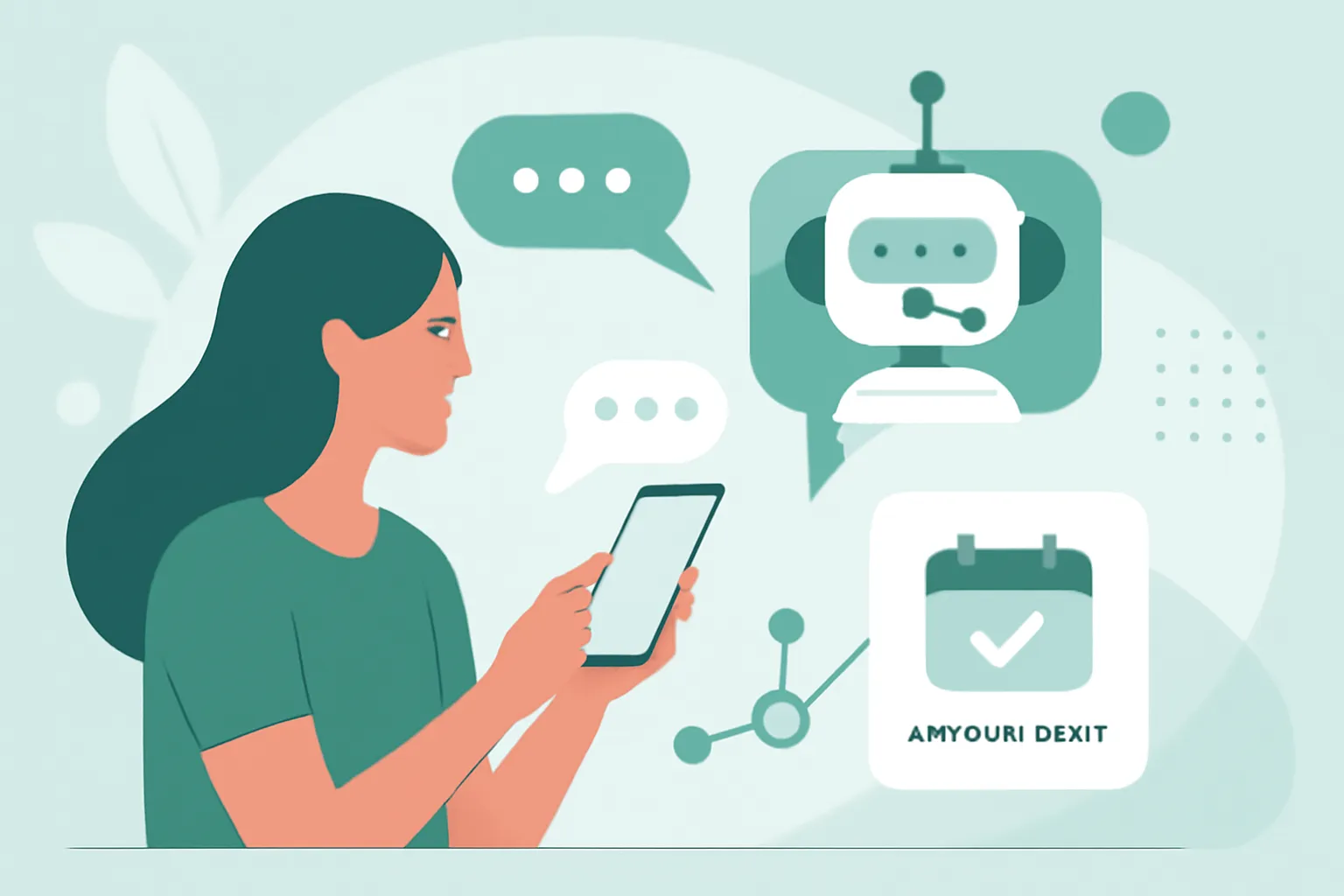
Every empty slot in a clinic's calendar is paid professional time with no revenue in return. And most of those gaps do not come from cancellations — a patient who lets you know leaves time to refill the slot — but from no-shows: patients who simply do not turn up.
The good news is that the no-show is one of the most automatable problems there is, because it is almost never bad faith: it is forgetfulness, and forgetfulness is fought with well-designed reminders.
Why don't patients let you know when they are not coming?
Because letting you know costs more than not doing it. Calling the clinic means waiting for the tone, getting a busy line, explaining the case. If the appointment was booked three weeks ago over the phone and never ended up anywhere visible to the patient, forgetfulness does the rest.
The three most common patterns:
- Pure forgetfulness: the appointment was booked far in advance and nobody reminded the patient in time.
- Cancellation barrier: the patient knew they would not come, but cancelling meant calling during front-desk hours.
- "Soft" booking: reserved just in case, with no real commitment. Frequent in first visits captured through ad campaigns.
Each pattern has its remedy, and none of them involves blaming the patient.
What works best: SMS, email, phone call or WhatsApp?
It depends on one thing only: where your patient looks. For most clinic patients, that place is WhatsApp. The reminder email ends up in promotions; the SMS gets read but not answered; the phone call works very well but consumes front-desk hours... if a person makes it.
The format that works best is not the plain reminder but the confirmation with a reply: a message that asks the patient to answer "confirmed" or "I need to change it". The difference is huge, because it turns silence into information: whoever does not reply to two messages is a probable no-show, and that can be managed before it happens.
How do you automate confirmations without losing the human touch?
The sequence we implement at Veltim with the official WhatsApp Business API usually has three touches, all connected to the clinic's real calendar:
- When the appointment is booked: immediate confirmation with date, time, practitioner and location. The patient has the appointment in writing on their phone from minute one.
- 48–72 hours before: confirmation message with reply options. If the patient asks to change it, the conversation continues right there: the assistant checks the free slots and rebooks the appointment without the front desk stepping in.
- On the day: brief reminder with the time and any necessary preparation (fasting, documents).
The human touch is not lost because the assistant does not pretend to be a person or answer what it does not know: as soon as the conversation goes off script — a clinical question, a complaint — it hands over to the front desk. That boundary design is phase 2 of our working method.
What if the patient calls to cancel?
This is where the voice agent comes in: it answers the call even if the front desk is busy or the clinic closed, cancels or rebooks the appointment in the real calendar and leaves it logged. The "cancelling is a hassle" barrier disappears, and every cancellation that used to be a no-show becomes a slot you know about in advance.
What do I do with the slot when someone cancels?
This is the step almost nobody automates and where the most money is recovered: the waiting list. When a slot frees up, the system automatically messages the patients waiting for an appointment and offers it to the first one to reply. A slot cancelled 48 hours ahead has every chance of ending up filled; one discovered at appointment time, none.
Frequently asked questions
Are automatic WhatsApp reminders legal?
Yes, as long as they go through the official channel (the WhatsApp Business API) and with the patient's consent, collected when the appointment is booked. Data processing stays within data-protection rules; it is one of the things tied down during implementation.
How many reminders are too many?
More than three touches per appointment starts to annoy. The key is not quantity but usefulness: a message that lets the patient confirm or change the appointment in one tap is not perceived as spam; five identical notices are.
Does this replace my receptionist?
No — it takes the repetitive work off their hands. Confirmations, appointment changes and out-of-hours calls are absorbed by the system; delicate cases and in-person care remain with your team. A front desk without constant interruptions serves the patient in front of them better.
How long does it take to get running?
It depends on the clinic's scheduling software, but implementations on calendars with a well-documented API are usually live in one to three weeks, with testing included before anything goes live with real patients.
In short
The no-show is not eliminated, it is managed: confirmation with a reply on WhatsApp, easy cancellation through any channel and an automatic waiting list for the gaps. Each piece helps on its own; the three together turn the calendar into something that defends itself.
Want to see how it would look at your clinic? Tell us your case and we will review it with your real appointment volume.
Kevin Rojas — Fundador de Veltim. Programador e ingeniero de IA: agentes de voz, chatbots de WhatsApp e integraciones con CRM para negocios reales. LinkedIn · YouTube · Sobre Veltim
Contact: veltim.com · Phone: +34 623 05 08 56 · Madrid, Spain.